
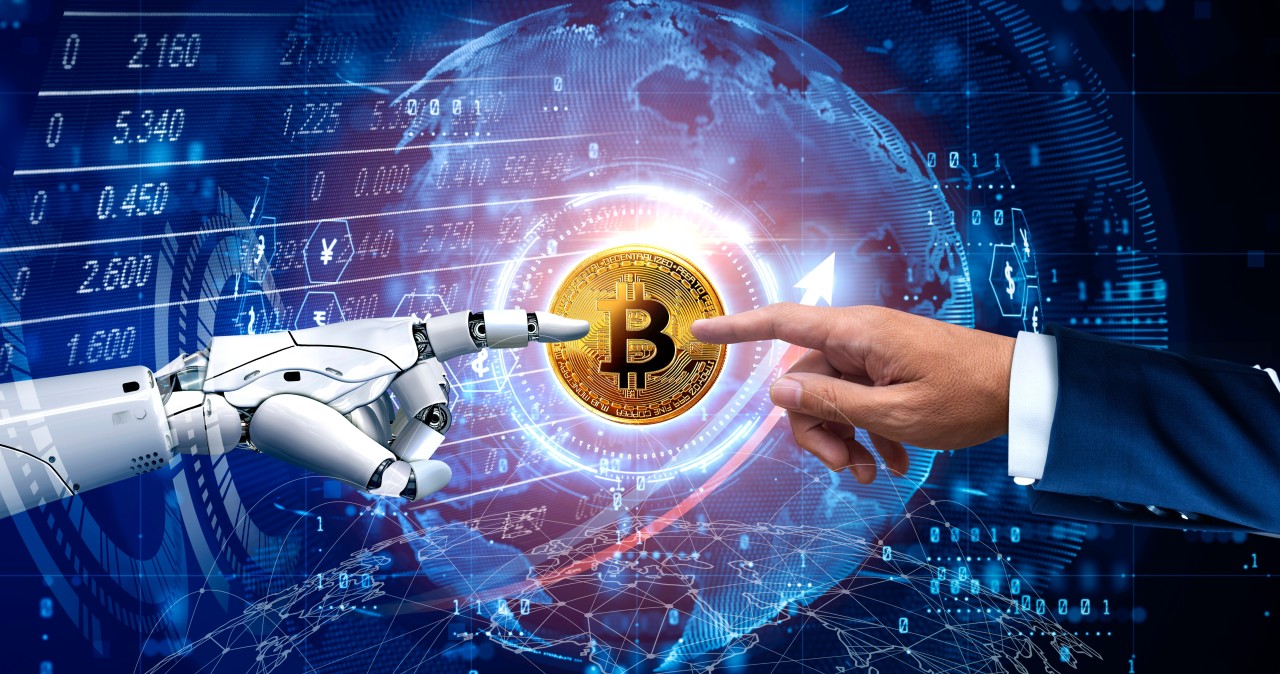
For years, Decentralized Finance (DeFi) existed primarily within the crypto echo chamber, seen mostly as a complex system for trading tokens and high-risk speculative investments.
That era is over.
Today, DeFi is maturing into a powerful engine for real-world utility, providing tangible financial solutions for everyday individuals and businesses. By replacing slow, costly, and opaque financial intermediaries with smart contracts on a blockchain, DeFi is making global finance more efficient, accessible, and transparent.
This article breaks down how decentralized finance is moving beyond crypto to revolutionize three fundamental areas of real-world finance: Lending, Insurance, and Payments.
1. Lending and Borrowing: Tokenizing the Real World
Traditional bank loans are often slow, require extensive paperwork, and can exclude large segments of the population due to centralized credit checks. DeFi offers a permissionless, global alternative.
The key to DeFi’s transition to real-world impact is the Tokenization of Real-World Assets (RWAs).
How DeFi Lending Works Today:
- Fractional Ownership: By tokenizing assets like real estate, invoices, or commodities on a blockchain, DeFi protocols allow these assets to be used as collateral. This is a game-changer because it enables fractional ownership, meaning small investors can now participate in high-value asset classes previously reserved for the wealthy.
- Collateralized Loans on RWAs: Platforms are emerging that allow borrowers to secure loans (often in stablecoins) by locking up tokenized real estate or corporate debt as collateral. This allows businesses to unlock liquidity from their existing assets without selling them.
- Global Accessibility: Anyone with an internet connection can access DeFi lending pools, democratizing credit and providing vital access to capital in regions with underdeveloped or restrictive traditional banking systems.
The Problem Solved:
Inefficiency and Exclusivity. DeFi lending is instantaneous, operates 24/7, and drastically cuts down on the administrative costs and bureaucratic friction of traditional banking.
2. Decentralized Insurance: Automating Trust and Payouts
The traditional insurance industry is notoriously slow, complex, and fraught with distrust due to opaque claims processes. DeFi Insurance protocols offer a transparent, automated alternative.
Smart Contract Automation:
DeFi insurance platforms, such as Nexus Mutual or similar protocols, operate differently:
- Pooled Risk: Risk is decentralized. Instead of a single company holding all the liability, a community of users pools funds (liquidity providers) to underwrite specific risks, such as smart contract failure, oracle malfunctions, or even weather events.
- Parametric Payouts: This is the core innovation. Instead of relying on a human adjuster to approve a claim, parametric insurance uses oracles (decentralized data feeds) to automatically check predefined conditions. For example, a farmer’s crop insurance automatically pays out if a verified oracle reports rainfall below a certain threshold in their geographical area.
- Transparency: All terms, funds, and claims are recorded on a public blockchain, ensuring that the process is immutable and fully transparent to all parties.
The Problem Solved:
Distrust and Delay. DeFi removes the intermediary bias and eliminates the lengthy paperwork and waiting periods associated with traditional claims, leading to near-instant, trustless payouts.
3. Global Payments: Fast, Cheap, and Permissionless
Moving money across borders using traditional banks is expensive and slow, often taking days and incurring steep fees. DeFi and its infrastructure are setting the stage for a new era of global, instant payments.
The Role of Stablecoins:
Stablecoins are the bridge between the crypto world and real-world transactions. Since their value is typically pegged to a stable asset like the US dollar, they provide the necessary stability for commerce.
- Instant Cross-Border Settlement: Instead of funds traveling through multiple correspondent banks over several business days, stablecoins (transferred via dApps) settle in minutes or even seconds. This vastly improves global commerce, supply chain financing, and remittance payments.
- Lower Fees: Transaction fees on many DeFi-enabled networks are a tiny fraction of the fees charged by credit card processors or international wire transfer services.
- Financial Inclusion: For the unbanked population—billions of people globally—all that is needed to participate in the DeFi payment system is a basic smartphone and internet connection. This provides access to a modern financial system where none existed before.
The Problem Solved:
High Cost and Inefficiency. DeFi slashes the friction and expense of the current global financial plumbing, enabling a more inclusive and faster way to pay.
The Path to Mass Adoption
DeFi is rapidly evolving from a niche technology to a foundational layer of global finance. The true long-term value of this movement lies not in speculative crypto assets, but in the ability of smart contracts to deliver superior, real-world financial products in a trustless, permissionless, and efficient manner.
As regulatory clarity emerges and protocols become more user-friendly, the integration of decentralized lending, insurance, and payments into our daily lives will only accelerate, redefining what it means to manage wealth in the 21st century.