

Cloud mining has emerged as a popular alternative for those interested in cryptocurrency mining but lacking the technical expertise, capital, or desire to manage their own hardware. It involves purchasing hashing power from a remote data center, allowing users to earn cryptocurrency without owning or maintaining the physical equipment. While it offers a low barrier to entry, it also comes with its own set of risks and drawbacks.
What is Cloud Mining?
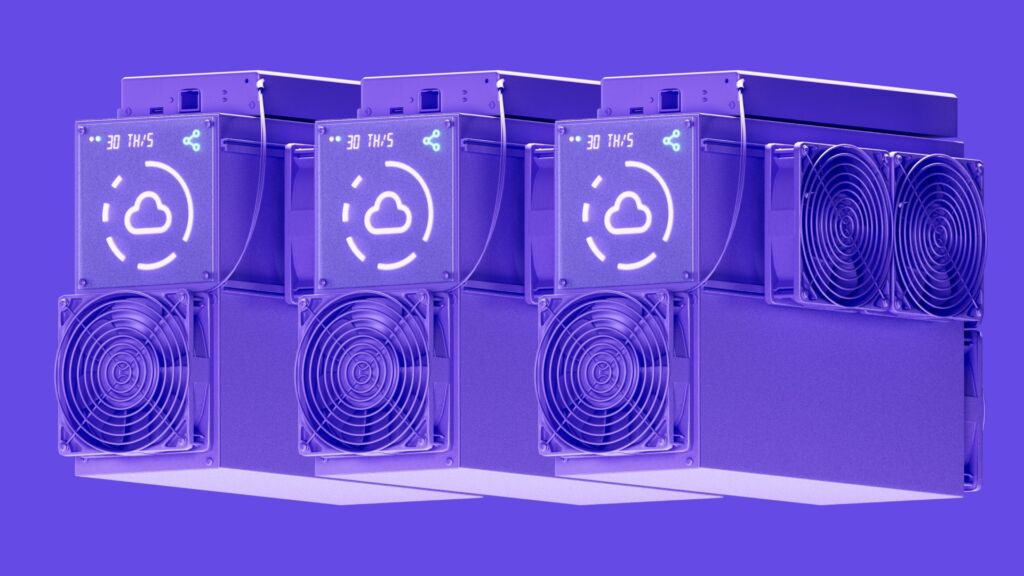
At its core, cloud mining is the process of using shared processing power run from a remote data center to mine cryptocurrencies like Bitcoin, Ethereum (historically, before the shift to Proof-of-Stake), and others. Users essentially “rent” a portion of the total hashing power for a specific contract duration, and in return, they receive a share of the mined coins, proportional to the power they’ve rented, after deducting maintenance and electricity fees.
There are generally three types of cloud mining:
- Hosted Mining: The user rents or purchases a physical mining rig hosted by the provider. The user has full control over the machine but pays for hosting, cooling, and electricity.
- Leased Hashing Power: The user leases a specific amount of hashing power from the provider’s existing hardware. This is the most common model.
- Virtual Private Server (VPS) Mining: Setting up mining software on a general-purpose cloud VPS, which is generally inefficient and not recommended for serious mining.

Advantages of Cloud Mining
Cloud mining offers several compelling benefits that attract both new and seasoned crypto enthusiasts:
1. Low Barrier to Entry 🚀
The most significant advantage is the elimination of upfront hardware costs and the complexity of setup. You don’t need to purchase expensive ASICs (Application-Specific Integrated Circuits) or GPUs, which can cost thousands of dollars. You simply sign a contract and start mining almost instantly.
2. No Technical Expertise Required
Forget about learning complex mining software, configuring operating systems, or troubleshooting hardware failures. The cloud mining provider manages all the technical aspects, maintenance, and software updates. This makes it ideal for beginners.
3. Reduced Overhead Costs and Hassle
Mining at home involves significant overhead:
- Electricity: Mining rigs consume enormous amounts of power, leading to high utility bills.
- Heat and Noise: Rigs generate intense heat and loud noise, making home operation uncomfortable.
- Space: Equipment requires dedicated space and proper ventilation.
Cloud mining eliminates these issues since the mining operation is conducted in professional data centers, often located in regions with cheap electricity and optimal cooling.
4. Flexibility and Scalability
Users can often choose different contract lengths and hashing power levels, allowing them to scale their investment up or down as needed. It’s much simpler to increase your hashing power with a few clicks than to order, wait for, and set up new physical hardware.
Disadvantages of Cloud Mining
Despite the conveniences, cloud mining carries notable risks and disadvantages that potential investors must consider:
1. Lower Potential Profitability 📉
The convenience comes at a cost. Cloud mining contracts often include high maintenance and electricity fees, which are deducted directly from your daily earnings. These fees, combined with the provider’s profit margin baked into the contract price, can significantly reduce your overall return compared to owning your own optimized equipment.
2. Lack of Control 🔒
When you rent hashing power, you give up control over the hardware and the mining process. You cannot choose the mining pool, optimize the settings, or troubleshoot issues directly. You are entirely reliant on the provider’s performance and integrity.
3. Risk of Scams and Fraud
The cloud mining industry is unfortunately rife with scams and fraudulent schemes (often Ponzi schemes) that promise impossibly high returns. Many “cloud mining companies” have turned out to be fake, taking investor funds without operating any real mining equipment. Due diligence is crucial before investing.
4. Contract Termination Risk
Some contracts contain clauses that allow the provider to terminate the agreement if the coin’s price drops significantly, making the daily maintenance fees higher than the mining revenue. This protects the provider but leaves the investor with nothing.
5. Price Volatility
Your returns are always subject to the extreme volatility of the cryptocurrency market. If the price of the mined coin falls after you sign an expensive contract, you might end up paying more for the contract and maintenance fees than the value of the coins you receive.
Is Cloud Mining Worth It?
Cloud mining provides a convenient, hands-off approach to earning cryptocurrency, making it suitable for those who want to participate in mining without the complexity of hardware management.
However, the risks are significant, especially concerning potential scams and the often-low profitability. Investors must carefully research reputable, well-established companies with transparent operations and realistic contracts. For serious miners looking for the highest possible returns, operating your own hardware (DIY mining) remains the most potentially profitable route, provided you have access to cheap electricity and the technical know-how.