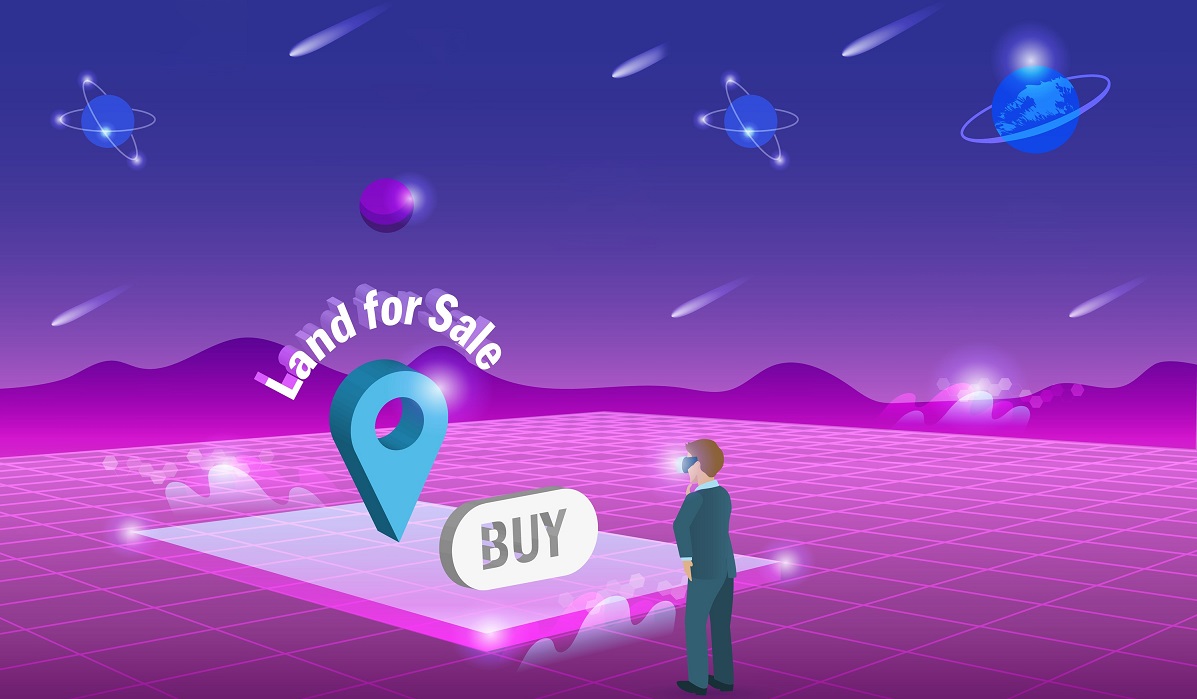
The explosive growth of virtual worlds like Decentraland, The Sandbox, and others has established virtual real estate as a multi-billion dollar asset class. Users purchase “parcels” of digital land, typically represented as Non-Fungible Tokens (NFTs), allowing them to build, monetize, and host experiences.
However, the legal framework surrounding the ownership rights of these NFT parcels is nascent and complex, creating significant uncertainty. This article explores the current legal status of virtual land, the distinction between NFT ownership and property rights, and the jurisdiction challenges facing this new domain.
1. The Distinction: NFT Ownership vs. Property Rights
The core legal issue hinges on what exactly an individual owns when they hold a virtual land NFT in their crypto wallet.
- Ownership of the NFT (The Token): In most jurisdictions, holding the NFT in your wallet is akin to owning the title deed. Since the NFT is a unique digital asset on the blockchain, the ownership of the token is cryptographically verifiable and legally quite clear. The owner has the indisputable right to sell, transfer, or destroy the NFT.
- Ownership of the Land (The Underlying Asset): This is where complexity arises. Unlike real-world real estate (which is corporeal and tangible), virtual land is incorporeal. The NFT itself does not contain the land; it merely points to the metadata, which defines the land’s coordinates and associated rights within the specific platform (e.g., Decentraland).
Crucial Insight: An NFT is best viewed as a digital license or a smart contract right granted by the platform (the metaverse provider), not as ownership of the underlying server infrastructure or intellectual property (IP) that makes the land function. If the platform shuts down, the NFT remains in your wallet, but the “land” it represents might cease to exist as a functional asset.
2. Rights Granted by Virtual Land Ownership
The legal rights associated with virtual land are defined not by civil law, but primarily by the Terms of Service (ToS) of the metaverse platform. These typically grant the holder specific rights, including:
- Right of Use: The ability to develop, build upon, or rent out the virtual space.
- Right of Exclusion: The ability to control access to the parcel (e.g., ban certain avatars).
- Monetization Rights: The right to charge for access, advertise, or sell virtual goods/services created on the land.
- Intellectual Property (IP) Rights: This is the most contested area. While the user usually owns the IP of the content they create (buildings, art) on the land, the platform almost always retains the IP over the core software, logos, and environment of the metaverse itself.
3. Jurisdiction and Legal Enforcement Challenges
In the real world, property law is intensely localized. A dispute over land in Texas is handled by Texan courts under US law. Virtual land presents a global, borderless challenge:
- Which Law Applies? If a user in Germany buys virtual land on a platform based in the US, and the opposing party is in Singapore, which nation’s contract law, IP law, or securities regulation applies to a dispute?
- Choice of Law Clauses: Metaverse ToS often include a “choice of law” clause, dictating which jurisdiction’s laws will govern disputes. However, national courts may reject these clauses if they conflict with their own public policy (e.g., consumer protection laws).
- Enforcement: Even if a court issues a ruling (e.g., ordering the transfer of an NFT), enforcing that ruling against a decentralized autonomous organization (DAO) or a user in a different country is extremely difficult.
4. Future Legal Frameworks and Securities Law
As virtual land transactions become more complex (involving mortgages, fractional ownership, and development agreements), regulators are beginning to take notice.
- Securities Risk: If the virtual land is sold with the explicit promise of passive investment returns derived from the platform’s efforts (e.g., the platform promising to increase traffic to the land), it could potentially be classified as an investment contract or security under tests like the US Howey Test. This would subject the platform to strict financial regulation.
- Decentralization as a Shield: Many metaverse projects aim to decentralize governance via DAOs. The hope is that shifting control to the community makes it harder to identify a central promoter responsible for securities laws, although this is far from settled law.
- DAO Legal Recognition: The legal status of DAOs themselves is a major hurdle. Are they corporations, partnerships, or simply code? Jurisdictions like Wyoming and the Marshall Islands are creating legal frameworks to grant DAOs limited liability and legal recognition, which will be essential for governing virtual land.
The ownership of virtual land today is a sophisticated hybrid of cryptographic certainty (the NFT) and contractual dependency (the platform’s ToS). While the NFT provides the secure and immutable ledger entry of ownership, the actual rights and value of the land are intrinsically linked to the platform that hosts it.
Until international bodies or major jurisdictions create bespoke legal frameworks for virtual assets, owners must exercise extreme caution, understand the platform’s terms as if they were a deed, and recognize that their rights are currently enforced by code and contract, not by traditional property law.