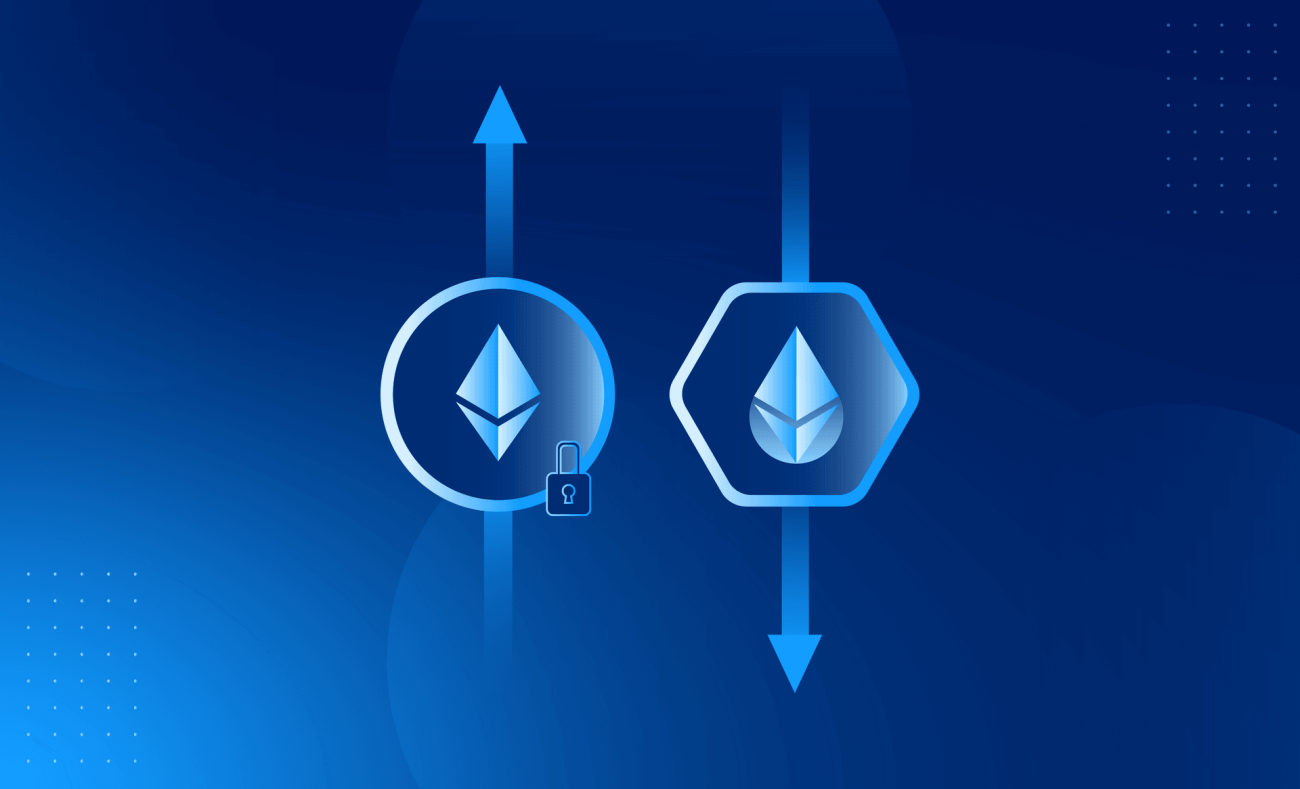
The Ethereum ecosystem underwent a monumental shift with “The Merge,” transitioning from a Proof-of-Work (PoW) consensus mechanism to Proof-of-Stake (PoS). While PoS enhanced energy efficiency and security, it introduced a significant trade-off: staked ETH (stETH) is locked up, limiting liquidity and capital efficiency.
This challenge has been elegantly solved by the rise of Liquid Staking Derivatives (LSDs), or LSD tokens. These innovative tokens are not just a convenient workaround; they are fundamentally changing how users interact with Ethereum’s staking mechanism and, by extension, the entire DeFi landscape.
The Staking Conundrum: Illiquidity
Under the standard Ethereum staking protocol, users must lock up a minimum of 32 ETH to run a validator node. This ETH remains illiquid until withdrawal functionality is enabled (which occurred with the Shapella upgrade), and it still requires users to manage the technical complexities of running a node.
The primary issues addressed by LSDs are:
- Illiquidity: Capital is locked and cannot be used in other DeFi applications.
- High Barrier to Entry: The 32 ETH requirement is prohibitive for many users.
- Technical Overhead: Running a validator requires constant uptime and technical expertise.
The LSD Solution: Tokenized Liquidity
Liquid Staking protocols like Lido and Rocket Pool offer a solution by providing a derivative token (the LSD) representing the user’s staked ETH plus the accumulated staking rewards.
How Liquid Staking Works:
- Deposit: A user deposits any amount of ETH into the Liquid Staking protocol.
- Token Issuance: In exchange, the protocol issues an equivalent amount of the LSD token (e.g., stETH from Lido, rETH from Rocket Pool).
- Staking: The protocol pools the deposited ETH and delegates it to professional node operators.
- Liquidity: The user now holds the LSD token, which is entirely liquid and can be traded or used across the DeFi ecosystem, while their underlying ETH continues to accrue staking rewards.
Key Characteristic: The LSD token’s value is pegged to the value of the original ETH plus the staking yield, ensuring that the user benefits from both staking and DeFi participation.
The Impact of LSDs on the DeFi Ecosystem
The creation of liquid assets representing staked ETH has catalyzed a massive injection of capital and innovation into Decentralized Finance (DeFi). This has led to the emergence of the “LSDfi” (Liquid Staking Derivatives Finance) sector.
1. Capital Efficiency
LSD tokens enable “double-dipping” or “layered yield”:
- Yield 1: Earning staking rewards from securing the Ethereum network.
- Yield 2: Earning additional yield by utilizing the LSD token (e.g., lending it out on platforms like Aave, providing it as liquidity in a decentralized exchange (DEX) pool, or using it as collateral for a loan).
2. Governance and Decentralization
The rise of LSDs has sparked a debate about decentralization. Protocols like Lido dominate the market, leading to concerns about the concentration of staked ETH and the potential influence on Ethereum’s governance and security. This has, in turn, spurred the growth of decentralized alternatives (like Rocket Pool) and efforts to distribute staked ETH across a wider variety of node operators.
3. The Rise of LSDfi
A vibrant ecosystem of protocols has emerged specifically to build financial products around LSD tokens:
| LSDfi Protocol Type | Functionality | Example |
| Yield Aggregators | Automatically find the highest yields for LSDs. | Yearn Finance |
| Stability Pools | Use LSDs as collateral for stablecoins. | MakerDAO, LlamaLend |
| New LSDs | Protocols offering different risk profiles or features. | Frax Ether (frxETH) |
The Future: A Liquid PoS Economy
LSDs are now inextricably linked to the success of Ethereum’s PoS consensus. They have solved the foundational problem of illiquidity, transforming staked ETH from a static asset into a dynamic, yield-bearing instrument ready for integration across DeFi.
As the LSD market matures, it will likely see increased regulation and competition, further driving innovation in security and decentralization practices. For the end user, LSDs represent the ultimate embodiment of capital efficiency, allowing participation in network security without sacrificing liquidity—a true win-win for the decentralized economy.